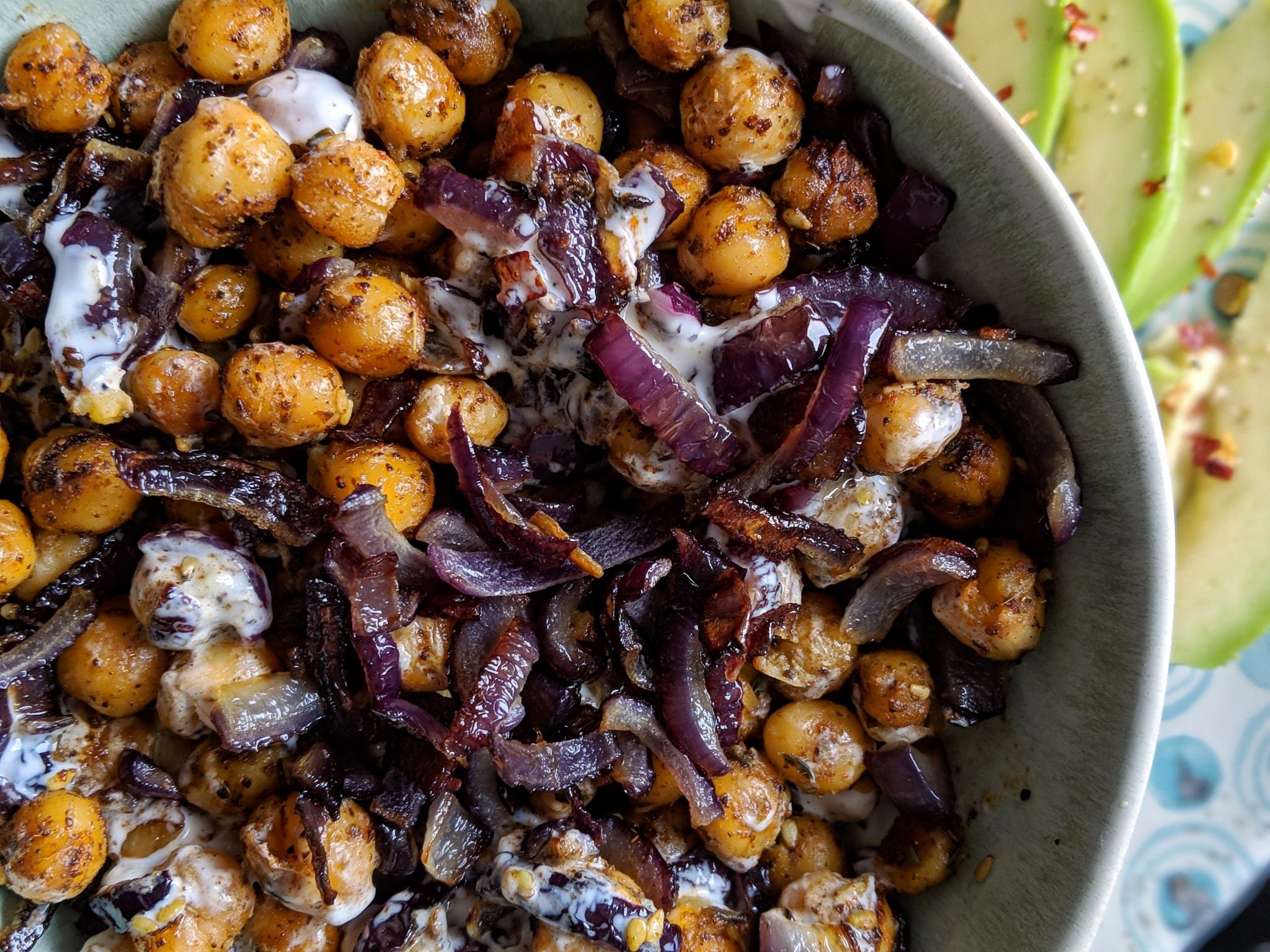
Unlocking the Potential of a 7-Day Gluten-Free Vegetarian Meal Plan
Embarking on a new dietary journey can be both exciting and daunting. If you're exploring the world of gluten-free and vegetarian eating, you're likely seeking a clear path to health and well-being. A structured
7 day gluten free vegetarian meal plan offers an excellent framework, providing not just convenience but also insights into a vibrant, plant-based lifestyle free from common gluten-containing grains. While
Article 1 likely introduced the concept, this piece delves deeper into the *why* behind this dietary choice, examining the fascinating debate surrounding gluten itself and its place in modern nutrition.
For many, the decision to go gluten-free, especially when paired with a vegetarian approach, stems from a desire to feel better, improve digestion, or manage specific health conditions. Yet, the conversation around gluten can be complex, often veering between scientific consensus and popular belief. Understanding the nuances is key to making informed choices that support your individual health goals.
The Gluten Debate: Science, Sensitivity, and Sensibility
The gluten-free diet, once a specialized medical intervention, has undeniably moved into the mainstream wellness sphere. Originally, it served as the cornerstone treatment for individuals diagnosed with celiac disease – an autoimmune disorder where gluten consumption leads to damage in the small intestine. It also provides relief for those with non-celiac gluten sensitivity (NCGS), who experience similar symptoms without the autoimmune response. However, its adoption has broadened significantly, with a growing number of people embracing a gluten-free lifestyle in pursuit of general health improvements, weight management, or increased energy.
This widespread adoption has sparked considerable debate. On one side, proponents highlight anecdotal evidence of improved health, while on the other, some experts, including those from institutions like the Harvard T.H. Chan School of Public Health, caution against viewing it as a universal panacea, often labeling it a "fad" for those without a diagnosed condition. The truth, as often is the case, lies somewhere in the middle. For individuals with genuine sensitivities or diseases, it's a medical necessity. For others, it might be a pathway to a more whole-foods-focused diet, indirectly leading to perceived benefits.
What Exactly is Gluten? Unraveling the Protein Puzzle
Before delving into the controversies, it's crucial to understand what gluten is. Gluten isn't a single compound but a collective term for a group of proteins found primarily in wheat, barley, rye, and triticale (a hybrid of wheat and rye). These proteins, particularly gliadin and glutenin, are responsible for the elastic texture of dough, allowing bread to rise and giving baked goods their characteristic chewiness. This unique property, combined with its pleasant taste and cost-effectiveness, has made gluten-containing grains a staple in diets worldwide, forming the basis of countless breads, pastas, and processed foods.
The Evolution of Wheat: From Ancient Grain to Modern Controversy
A significant part of the gluten debate revolves not just around gluten itself, but around the evolution of the grains that contain it, particularly wheat. Many arguments suggest that the wheat consumed today is fundamentally different from the wheat our ancestors ate, leading to potential health implications for a wider population.
The Transformation of "Modern Wheat"
The argument put forth by some, notably Dr. William Davis in his bestselling book "Wheat Belly," suggests that modern wheat is a far cry from its predecessors. Over the last 70 years, agricultural practices and genetic modifications have dramatically altered wheat's composition.
1.
Genetic Modifications and Crossbreeding: Beginning in the 1960s, extensive crossbreeding programs were implemented to enhance crop yields, improve disease resistance, and adapt wheat to various climates. While successful in increasing food production, these modifications, according to critics, also inadvertently changed the protein structure and nutrient profile of wheat. Studies have suggested a decrease in essential minerals like zinc, copper, iron, and magnesium by 19-28% in modern varieties compared to older ones. This reduction in micronutrients could mean that while we're eating more wheat, we might be getting less nutritional value from it.
2.
Modern Processing Techniques: Beyond genetic changes, the way wheat is processed today also plays a role. Refined wheat products, which are ubiquitous, have undergone a process that strips away the most nutritious parts of the grain: the bran (fiber-rich outer layer) and the germ (nutrient-dense embryo). What remains is primarily the endosperm, the starchy component. This refinement removes significant amounts of fiber, vitamins, and minerals, leaving behind a product that is calorie-dense but nutrient-poor. The combination of genetic changes and refining processes contributes to the argument that modern wheat can be a "less healthy" option for many.
Beyond Celiac: Exploring Broader Health Claims of a Gluten-Free Diet
While celiac disease and NCGS are well-established conditions requiring a gluten-free diet, the broader claims extend to general wellness, weight management, and various digestive and inflammatory issues. Dr. William Davis, for example, posits that modern wheat isn't just less nutritious but can actively contribute to several uncomfortable effects in the body, with a strong focus on weight gain.
He argues that certain compounds in modern wheat may lead to increased appetite, blood sugar spikes, and fat accumulation, particularly around the abdomen – hence the term "wheat belly." While the scientific community continues to rigorously study these claims, many individuals report experiencing improvements in digestion, reduced bloating, increased energy levels, and even clearer skin after adopting a gluten-free diet. It's often debated whether these benefits are directly from the absence of gluten or a result of replacing processed, gluten-containing foods with a healthier, whole-food-based diet. Often, adopting a gluten-free vegetarian plan naturally encourages a shift towards more fruits, vegetables, legumes, and naturally gluten-free grains like quinoa and brown rice, which are inherently more nutrient-dense.
This shift can lead to reduced intake of highly processed foods, sugary snacks, and unhealthy fats, regardless of gluten content, thereby contributing to overall health improvements and potentially weight loss. This is an important distinction, as simply swapping gluten-containing processed foods for gluten-free processed alternatives might not yield the same health benefits.
Crafting Your 7-Day Gluten-Free Vegetarian Meal Plan: Practical Considerations
Regardless of your primary motivation, embarking on a
7 day gluten free vegetarian meal plan demands thoughtful preparation to ensure it's not only free from gluten but also nutritionally complete and satisfying. The core principle should be focusing on whole, unprocessed foods that are naturally gluten-free and plant-based.
When planning your meals, consider these practical tips:
*
Embrace Naturally Gluten-Free Grains: Stock your pantry with options like quinoa, brown rice, wild rice, millet, buckwheat, corn, and certified gluten-free oats. These provide complex carbohydrates, fiber, and essential nutrients.
*
Prioritize Plant-Based Proteins: As a vegetarian, your protein sources are crucial. Integrate a variety of legumes (lentils, chickpeas, beans), tofu, tempeh, edamame, nuts, seeds, and possibly eggs or dairy if you include them in your diet. These are naturally gluten-free and packed with protein.
*
Load Up on Fruits and Vegetables: These are the foundation of any healthy diet and are entirely gluten-free. Aim for a wide array of colors to ensure a broad spectrum of vitamins, minerals, and antioxidants.
*
Smart Snacking: Keep gluten-free snacks on hand, such as fruit, vegetable sticks with hummus, rice cakes with avocado, nuts, seeds, or gluten-free energy balls.
*
Read Labels Diligently: Even seemingly innocuous products can contain hidden gluten. Always check ingredient lists for wheat, barley, rye, malt, brewer's yeast, and other gluten derivatives. Look for "gluten-free" certification on packaged foods.
*
Cross-Contamination Awareness: If you have celiac disease or high sensitivity, be mindful of cross-contamination in shared kitchens, toasters, or fryers.
*
Nutrient Density is Key: Given the discussions around nutrient depletion in modern wheat, ensure your plan is rich in vitamins and minerals. Think about incorporating fortified plant milks, leafy greens, nuts, and seeds to cover your bases.
A well-designed plan like a
7 day gluten free vegetarian meal plan can simplify your culinary journey, removing the guesswork and ensuring you meet your nutritional needs while exploring delicious new flavors. For practical meal ideas and a detailed shopping list to kickstart your plan, be sure to check out
Article 3.
Conclusion
The decision to adopt a gluten-free vegetarian lifestyle is a personal one, often driven by a combination of health considerations, ethical choices, and a desire for improved well-being. While the debate surrounding gluten's impact on general health continues to evolve, there's no denying the benefits of a diet rich in whole, unprocessed plant-based foods. By understanding the historical context of wheat, the nature of gluten, and the various health claims, you are empowered to make informed choices. A meticulously crafted
7 day gluten free vegetarian meal plan serves as an invaluable tool, guiding you toward a balanced, nourishing, and flavorful eating pattern that supports your specific health objectives. Always remember to consult with a healthcare professional or registered dietitian before making significant dietary changes, especially if you have underlying health conditions.