Understanding Your Journey: Why a Gluten-Free Vegetarian Path?
If you're exploring a 7-day gluten-free vegetarian meal plan, chances are you're seeking a path to improved health, vitality, and mindful eating. While our previous articles,
7 day gluten free vegetarian meal plan - Article 1 and
7 day gluten free vegetarian meal plan - Article 2, might have offered practical tips and delicious recipes to get you started, this piece delves deeper into the *why* behind this increasingly popular dietary choice. Beyond the immediate satisfaction of a well-planned week of meals, understanding the broader context of the gluten-free diet can empower your decisions and solidify your commitment.
The journey to gluten-free vegetarianism can stem from various motivations. For some, it’s a medical necessity – managing conditions like celiac disease or non-celiac gluten sensitivity. For others, it's a proactive step towards a healthier lifestyle, driven by anecdotal evidence, a desire for digestive comfort, or a general belief that eliminating gluten could lead to better well-being. But is there solid science behind these claims, or is it merely a passing health trend? Let's explore the ongoing discussion around gluten, especially in the context of "modern wheat," and how it relates to your pursuit of a nourishing 7-day gluten-free vegetarian meal plan.
Unpacking the Gluten-Free Trend: More Than Just a Fad?
The gluten-free diet has undeniably moved from a niche medical treatment to a mainstream dietary phenomenon. Gluten, a family of proteins found primarily in grains like wheat, barley, and rye, is what gives dough its elasticity and helps baked goods achieve their desirable texture and rise. For centuries, these grains have been dietary staples worldwide. So, what changed?
The debate often centers on whether the modern gluten-free trend is a scientifically validated approach for a wider population or if it's overhyped. On one side, proponents like Dr. William Davis, author of "Wheat Belly," argue that modern wheat, in particular, has become problematic. He contends that changes to wheat over the last few decades have made it detrimental to human health, contributing to a range of issues from inflammation to weight gain. Conversely, institutions like the Harvard School of Public Health often emphasize the benefits of whole grains and caution against unnecessarily restricting gluten for individuals without a diagnosed condition, highlighting the risk of missing out on beneficial nutrients found in fortified and whole-grain products.
It's crucial to acknowledge that for individuals with diagnosed celiac disease or non-celiac gluten sensitivity (NCGS), a strict gluten-free diet is the only effective treatment. Removing gluten for these individuals leads to significant improvements in health and quality of life. The discussion truly heats up when considering the growing number of people adopting the diet without a medical diagnosis, simply "feeling better" after making the switch. This raises questions about whether these improvements are due to gluten removal specifically, or the broader impact of eliminating processed foods often high in gluten, and adopting a more whole-food focused diet.
The Evolution of Wheat: Is "Modern Wheat" the Culprit?
A significant part of the argument for a broader adoption of gluten-free eating stems from claims about the drastic transformation of wheat itself. It's suggested that the wheat consumed today is fundamentally different from what our ancestors ate just 70 years ago. This isn't just about how it's processed, but how the grain itself has been altered.
Genetic Modification and Cross-Breeding
Beginning in the 1960s, agricultural scientists introduced new crossbreeds of wheat. The primary goal was noble: to improve harvests, increase disease resistance, and make wheat more adaptable to various climates, thereby helping to feed a growing global population. While these efforts dramatically increased yield and efficiency, critics argue there was an unintended consequence. These genetic modifications and intensive cross-breeding practices, it is claimed, subtly altered the protein and nutrient composition of wheat. Studies have suggested a decrease in essential minerals like zinc, copper, iron, and magnesium by as much as 19-28% in modern wheat compared to older varieties. This reduction in micronutrients means that even if you consume the same quantity of wheat, you might be getting less nutritional value than generations past.
Modern Processing Techniques
Beyond the inherent changes in the grain, modern processing techniques also play a role. Refined wheat, which dominates many packaged foods, has undergone significant alteration. During this process, the most nutritious parts of the grain – the bran (rich in fiber, antioxidants, and B vitamins) and the germ (packed with healthy fats, vitamin E, and minerals) – are stripped away. What remains is primarily the endosperm, which is mostly starch. While this refining process extends shelf life and creates a lighter texture, it also dramatically reduces the nutritional content, leaving a product that provides calories but significantly fewer beneficial compounds. Many advocates of a whole-foods approach argue that this highly processed, nutrient-depleted form of wheat, combined with potential changes in its gluten structure, is what truly contributes to modern health challenges.
Gluten-Free and Weight Management: Fact or Fiction?
One of the most compelling arguments for adopting a gluten-free diet, popularized by Dr. William Davis in "Wheat Belly," is its purported effectiveness for weight loss, particularly targeting stubborn belly fat. Dr. Davis posits that certain compounds in modern wheat can stimulate appetite, raise blood sugar levels rapidly, and contribute to systemic inflammation, all factors that can lead to weight gain and difficulty losing it.
The premise is that by eliminating wheat, individuals can reduce their intake of highly refined carbohydrates and inflammatory triggers, leading to a natural reduction in caloric intake and improved metabolic health. While many individuals report significant weight loss after going gluten-free, it's crucial to examine the underlying mechanisms.
A Balanced Perspective
Is it the absence of gluten itself, or is it the *overall dietary shift* that leads to weight loss? Often, when people go gluten-free, they inadvertently cut out a vast array of processed foods like pastries, white bread, pasta, and many snacks that are typically high in refined carbohydrates, unhealthy fats, and sugars. Replacing these with naturally gluten-free whole foods such as fruits, vegetables, legumes, nuts, seeds, quinoa, and brown rice inherently leads to a more nutrient-dense, lower-calorie diet. This shift alone can explain many of the positive outcomes, including weight loss and improved energy levels.
However, simply switching to gluten-free *processed* alternatives (e.g., gluten-free cookies, cakes, or highly processed gluten-free breads made with refined flours like tapioca starch or white rice flour) might not yield the same benefits. These products can often be just as high in sugar, unhealthy fats, and low in fiber as their gluten-containing counterparts, offering little in terms of nutritional advantage. Therefore, for weight management and overall health, the emphasis should always be on a *whole-foods-based* gluten-free diet, rather than simply avoiding gluten by opting for processed substitutes.
Crafting Your Gluten-Free Vegetarian Plate: Practical Considerations
While the debate around modern wheat and gluten's impact continues, the good news for those embarking on a 7-day gluten-free vegetarian meal plan is that nature provides an abundance of naturally gluten-free and plant-based foods that are both delicious and incredibly nutritious. Embracing this way of eating means focusing on what you *can* eat, rather than what you're restricting.
Embrace Whole, Unprocessed Foods
The foundation of any healthy diet, especially a gluten-free vegetarian one, lies in whole, unprocessed ingredients. Fill your plate with:
- Fruits: All fruits are naturally gluten-free and packed with vitamins, minerals, and antioxidants.
- Vegetables: Leafy greens, cruciferous vegetables, root vegetables – they are all naturally gluten-free and essential for fiber and nutrients.
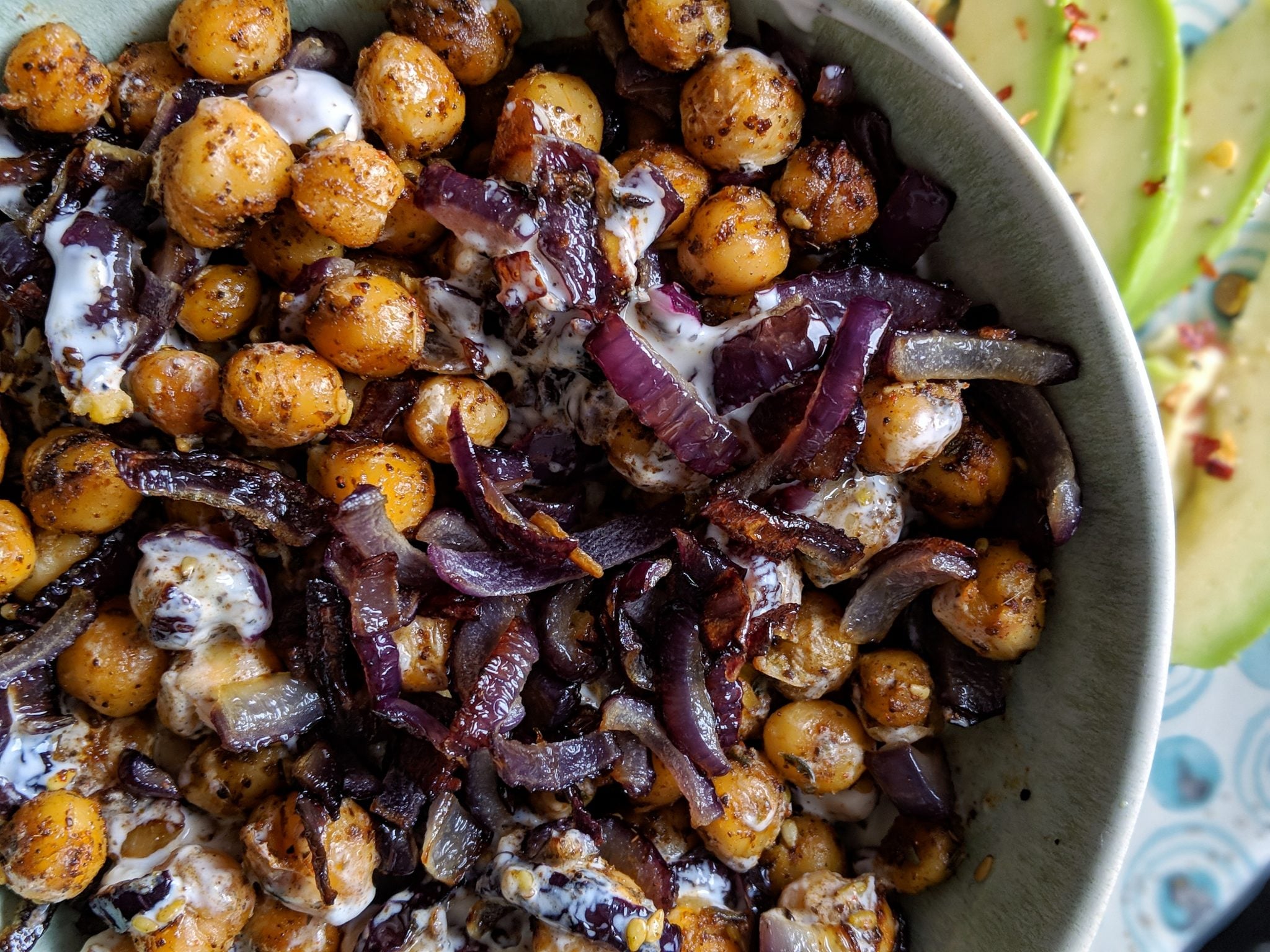
- Legumes: Beans, lentils, chickpeas, and peas are excellent sources of plant-based protein and fiber.
- Naturally Gluten-Free Grains: Quinoa, brown rice, wild rice, millet, buckwheat, and certified gluten-free oats offer complex carbohydrates and essential nutrients.
- Nuts and Seeds: Almonds, walnuts, chia seeds, flax seeds, pumpkin seeds, and sunflower seeds provide healthy fats, protein, and micronutrients.
- Healthy Fats: Avocados, olive oil, and coconut oil are great additions.
Ensuring Nutritional Adequacy
When removing traditional gluten-containing grains, it's vital to ensure your diet remains nutritionally robust. Pay attention to sources of:
- Iron: Lentils, spinach, tofu, fortified gluten-free cereals.
- Calcium: Fortified plant milks, leafy greens, broccoli, fortified tofu.
- Vitamin B12: Fortified plant milks, nutritional yeast, certain fortified gluten-free vegetarian products (consider supplementation if necessary, as B12 is primarily found in animal products).
- Fiber: Abundant in fruits, vegetables, legumes, and naturally gluten-free whole grains.
A well-planned gluten-free vegetarian diet can be incredibly diverse and rich in nutrients, offering a wide array of culinary possibilities. For concrete meal ideas, shopping lists, and structured plans to kickstart your journey, remember to consult
7 day gluten free vegetarian meal plan - Article 1 and
7 day gluten free vegetarian meal plan - Article 2.
Conclusion
The decision to embark on a 7-day gluten-free vegetarian meal plan is a personal one, often influenced by a mix of health goals, ethical considerations, and a desire to feel better. While the scientific community continues to debate the broad applicability of gluten restriction for everyone, there is undeniable evidence for its necessity in certain conditions. Furthermore, the discussion surrounding "modern wheat" and its processing does highlight valid concerns about the nutritional density and potential inflammatory impact of highly refined grains. By focusing on a whole-food, naturally gluten-free vegetarian approach, you can create a diet that is rich in nutrients, fiber, and beneficial plant compounds, regardless of your specific reasons for avoiding gluten. This intentional way of eating empowers you to make informed choices that nourish your body, support your well-being, and explore a vibrant world of plant-based cuisine.